How to Prevent Chain Pinch On Your Petrol Chainsaw
Understanding how to prevent your chainsaw from pinching is essential for safety during cutting operations. While chainsaw pinching can happen to anyone, employing caution and strategic techniques can help avoid kickbacks and serious injuries. Here's a comprehensive guide to keep you safe while using a chainsaw.
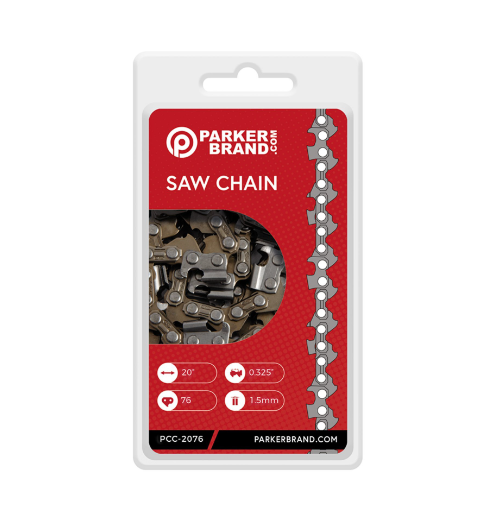
Ensure that you are using the correct size chain. This is only an issue if you have replaced your chain, as nearly all ParkerBrand saws are delivered with two free chains. Using an incorrect chain size will lead to problems, including the chain getting stuck.
It Can Happen to Everyone
Firstly, ensure that your chainsaw chain is tensioned correctly. A loose chain is more likely to come off or get stuck. You can see how to tension your chain in your ParkerBrand manual. Check and adjust the chain tension frequently, especially during extended use. Keeping your chainsaw chain sharp is also essential: a dull chain can lead to kickbacks and increase the chances of pinching and getting stuck. Regularly sharpen the chain with a file (provided in your toolkit that came with your saw) or a chainsaw sharpener.
Chainsaw blades can easily get stuck during downward cuts, especially when working on uneven surfaces. Pinching occurs when a log or tree is not level with the ground, closing up on the chain. This commonly happens when cutting from the top down.
Techniques to Prevent Pinching:
Levelling the Tree:
- Ensure the tree or log is lying flat and level with the ground.
- Use smaller logs or firewood pieces to fill gaps beneath the tree, creating a stable base for cutting.
- This DIY sawhorse technique reduces tension, preventing the chainsaw blade from getting pinched.
Using Wedges:
- Employ high-quality felling wedges; you will find polystyrene and aluminium options.
- When cutting downward, use wedges to support the tree, ensuring timely removal to prevent damage to the chain teeth.
Removing a Stuck Chainsaw:
Despite precautions, a chainsaw blade may still get pinched. In such cases:
- If cutting vertically, relieve pressure by placing wedges or smaller logs beneath the tree and lift it close to the cut.
- Use wedges, crowbars, or similar tools to force the tree open at the cut.
- If cutting horizontally, try pushing or pulling the tree in the opposite direction. Please pay attention, though; the weight of the tree itself may well damage the bar of the blade.
- Insert a wedge into the cut to release pressure and facilitate removal.
- Use another saw to cut the tree higher up, considering the surroundings and potential risks and then cut in the opposite direction.
Cross-cutting Technique:
Prevent chainsaw pinching by employing the cross-cutting technique:
- Assess pressure points on the log or tree based on its support.
- For a log supported on both ends, make a top cut one-third of the log's diameter, then cut from the underside to meet the initial top cut.
- For a log supported on one end, make a shallow cut on the underside and use it as a guide to cut from the top until meeting the initial underside cut.
- Always stand to the side during cross-cutting to minimize the risk of injury.
By adopting these techniques and maintaining a vigilant approach, you can significantly reduce the chances of your chainsaw getting pinched, ensuring a safer and more efficient cutting experience and, what's more, ensure that you are safe, too.
PPE: PERSONAL PROTECTIVE EQUIPMENT
This is not something to go light on. It's a wise investment and can make the difference between life-changing severe injury and simply getting a job done in safety.
You can find all the advice you need from HSE regarding PPE here.