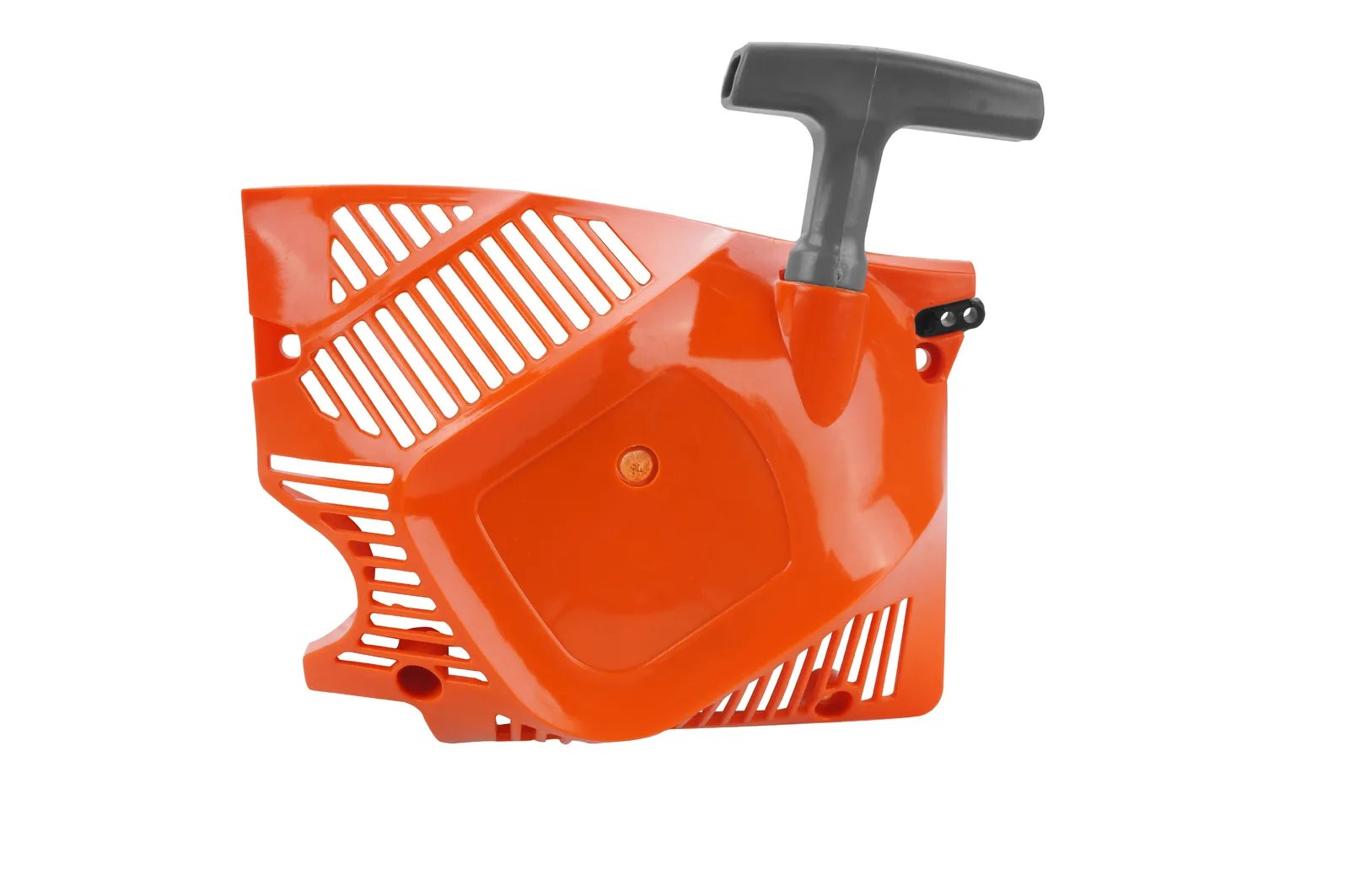
It happens to everyone eventually: you give the starter cord a pull and it either snaps, stays hanging out, or spins without catching. The good news is that on most of our machines the whole recoil starter is a bolt-on part, so you don't need to rewind a spring. You just swap the assembly. It's one of our most-ordered spare parts for exactly that reason.
Is it the recoil?
- Cord snapped or frayed: replace the recoil.
- Cord won't rewind: the recoil spring has gone, so replace the recoil.
- Cord pulls out but the engine doesn't turn: usually worn pawls or a damaged pulley inside the recoil. Replace the recoil, and check the engine's starter cup or pulley too.
- Cord is very hard to pull or won't move: don't force it. This can be an engine problem (for example, a flooded or seized engine) rather than the recoil. Call us first.
Find the right part
Recoils differ between machines, so check your model number on the machine's label. Popular fits include:
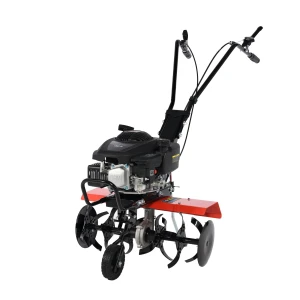
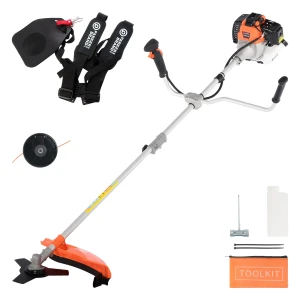
- Starter Recoil MKII: 52cc brush cutters and multi-tools (PGBC-5200, PGBC-5200-BP, PGMT-5200), the PGEA-5200 auger, PGTR-5200 tiller, PBLB-6500-B blower and PPWP-1000 pump. The MKII is 43mm deep, so compare it with yours before ordering.
- Recoil Starter / Pull Cord Assembly: 58cc and 62cc chainsaws.
- PCS-2600 recoil: 26cc chainsaw.
- 26cc hedge trimmer recoil
- PBV-2600 recoil: 26cc 3-in-1 leaf blower.
- Generator / pressure washer / water pump recoil: PPG-2800, PPG-3750, PPPW-2900, PPWP-2000 and PPWP-3000.
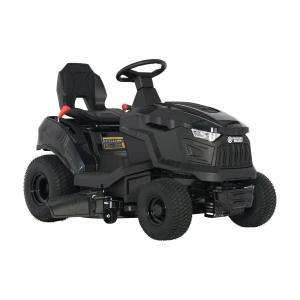
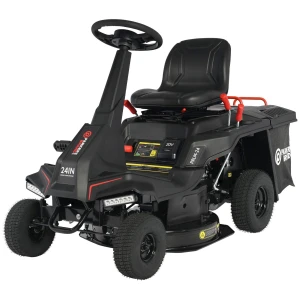
- Lawnmower recoil: PPLM-18140 and PPLM-21196.
Can't see your model? Send us your model number and we'll find the right recoil for you.
How to fit it
- Make it safe. Let the engine cool. On a petrol machine, pull the spark plug cap off so it can't fire.
- Take a photo of the old recoil in place so you know which way round it goes.
- Undo the screws holding the recoil housing to the engine (usually three or four around the edge) and lift it off.
- Check behind it. Look at the starter cup or pulley on the engine for broken teeth or damage, and clear out any grass and debris.
- Fit the new recoil the same way round, line up the screw holes and tighten the screws evenly. Don't overtighten into the plastic.
- Test it. Before refitting the plug cap, give the cord a few gentle pulls to make sure it engages and rewinds smoothly.
- Refit the spark plug cap and start as normal.
Make it last
- Pull the cord out straight in line with the guide, not at an angle, which frays it.
- Pull until you feel resistance, then give a firm, smooth pull. Don't yank it to the end of its travel.
- Let the handle return slowly. Letting go at full stretch damages the spring.