February in the UK marks the transition from winter to spring. The first signs of spring are certainly there. Fragile-looking but tough-spirited Snowdrops are appearing everywhere, a very welcome sight after a seemingly life-less winter.
Snowdrops are such a delightful early spring flower. Divide clumps of snowdrops after they finish flowering to spread them around your garden if you are lucky enough to have some. If you have other early flowering plants or bulbs emerging, protect them from frost by covering them with horticultural fleece or cloches.
While the weather may still be chilly, you can undertake quite a few gardening tasks to prepare your garden for the upcoming growing season.
Pruning
Hedges: Pruning involves more substantial removal of branches to control the size and shape of the hedge. Check for signs of disease or pest infestation before pruning. Remove any diseased or infested branches to prevent the spread of issues. Our ParkerBrand PGHT-2600 Hedge trimmer is ideal for the task. NOTE: Ensure that no birds are preparing to nest in your hedgerow before you start work. In February, you should be fine, though. Unless they are early birds! Sorry.
Fruit Trees: Prune apple, pear and other fruit trees while still dormant. Remove any dead, damaged, or crossing branches to encourage healthy growth.
Cut Back Ornamental Grasses: Cut back deciduous ornamental grasses to about 5-10cm above ground level. Doing so will help stimulate new growth so your garden will look at its best.
Prepare Your soil
Vegetable Beds
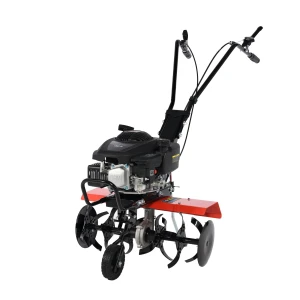
With food costs rising due to a variety of factors growing your own veg and herbs will save you money, keep you fit and If the soil is not frozen or waterlogged, start preparing vegetable beds by digging in well-rotted manure or compost. Doing so helps improve soil structure and fertility and will give you better-quality vegetables throughout the year. Make sure that it is well broken down before you start tilling when Spring establishes itself fully.
Mulching
Apply a layer of mulch around established plants to suppress weeds, retain moisture, and regulate soil temperature. You can find out much more about mulching here.
Sow Seeds Indoors
Start sowing seeds indoors for early vegetables and summer flowers. You can start tomatoes, peppers, and certain annual flowers indoors to give them a head start for transplanting outdoors next month, depending on any late-season snow or continued frosts.
Other Useful Tasks
Feed the birds! With bird populations in decline across the UK, taking care of the birds we have is important. Provide food and fresh water for birds. This is especially important during the colder months when natural food sources may be scarce. Like all of us, they are dealing with climate change, and a steady, reliable food source will help.
It's a good idea to use the quieter winter months to clean and sharpen your garden tools. This includes pruning shears, hoes, and shovels. It may seem a bit tedious, but you'll have much more to do in the coming months, so use the time wisely now.
Plan Your Garden
Use this time to plan your garden layout for the upcoming season. Consider crop rotations, companion planting, and any new ornamental additions to your garden. A well planned garden will get the best from the area that you have.