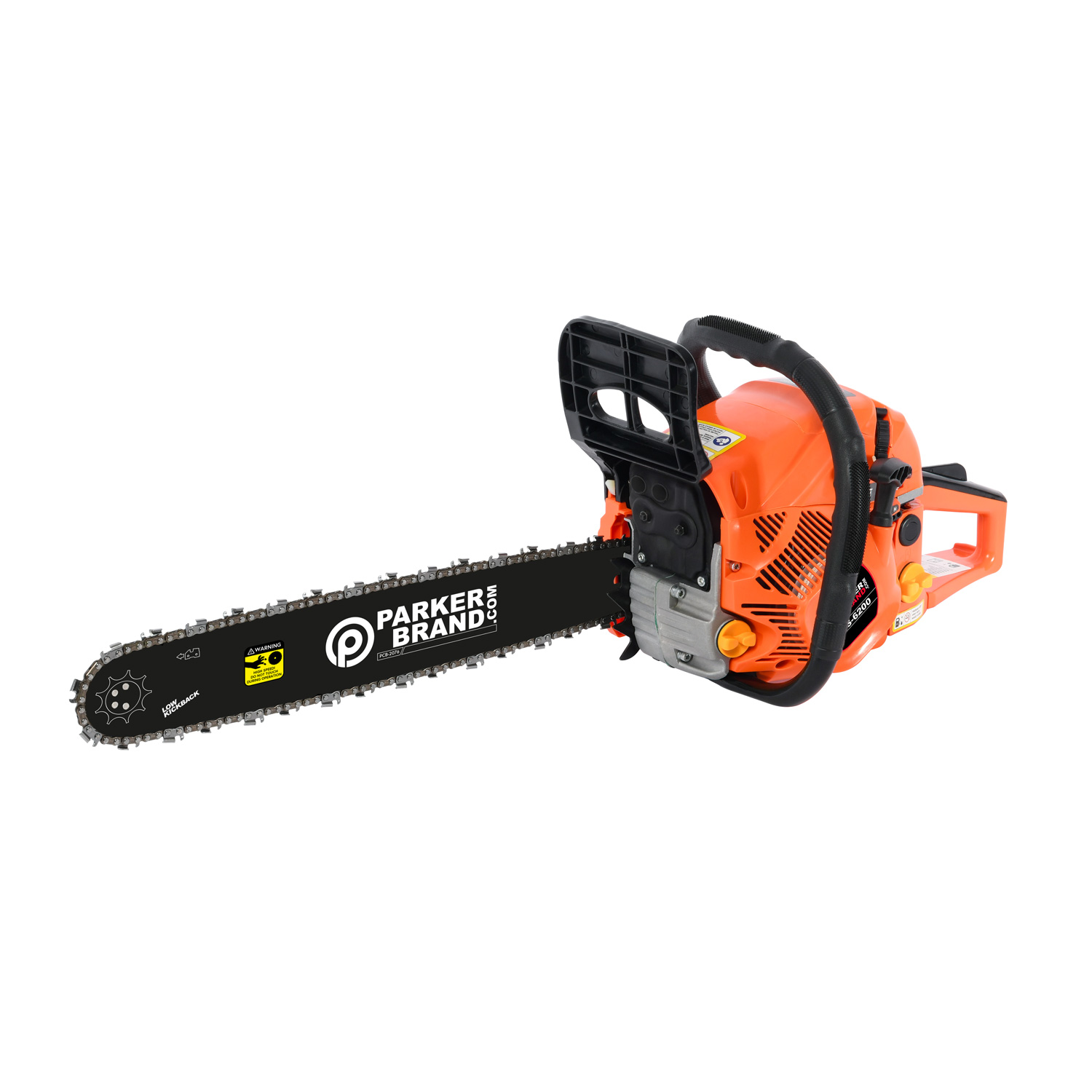
Where there's a chainsaw, there's a chain—it stands to reason! As the chain is the business end of things, proper care and maintenance are paramount. The central points to keep in mind are keeping the chain sharp and well-lubricated. Keeping it sharp will mean that you can work effectively and, even more importantly, safely. Safety above all, every time!
How Chains Can Become Blunt
There are a variety of reasons why your chainsaw chain might become blunt, aside from plenty of use! It is, after all, a wear-and-tear part. Below, we explore a range of reasons why your chain may become blunt and how to avoid it.
Dirt!
Soil and debris are to be guarded against with utmost caution. Naturally, they will be close by when felling or pruning (try to cut your logs away from soil if possible) and keeping your chain away from soil will prevent wear and even catastrophic damage to the both the bar and the chain. When a chainsaw blade cuts into wood that's resting on the ground or contains embedded dirt, it can quickly dull the teeth. Even a small amount of grit can cause significant wear. A bit of planning and forethought won't go amiss and definitely avoid cutting into the ground.
Overheating
Overheating isn't good for your chainsaw, not just the chain. Excessive continuous use will cause the chain to overheat, softening the teeth and causing them to become dull that bit quicker. Insufficient lubrication will certainly lead to overheating, too; more on that below.
Lack of Lubrication
Proper lubrication with an appropriate oil will be made clear to you in any user manual worth its salt. It's required to ensure your chain moves smoothly along the length of the bar. Clearly, each model will have its own spec but the principle is the same. AT ALL TIMES, keep your chain lubricated, adjusting the oil port or oil mech if needed. If you don't pay attention to this and follow the manual guidelines, friction will undoubtedly increase, blunt the chain, and almost certainly lead to overheating, which may affect the whole machine, not just the chain.
Tensioning
Correct tensioning of the chain is essential to its long life. You can see a great example of how to tension your chain here. Before starting work, ensure you follow the manual correctly and perform a visual check. Bear in mind that you may need to re-tension your chain as it heats up in use. However, ensure it is not overly tight - this can cause excessive wear. If it is too loose, the chain will also suffer and dull far more quickly. So it is a case of the Goldilocks principle here - not too loose and not too tight and get it just right. Experience helps, but common sense and proper preparation through reading the manual is the way forward.
Hard Woods
Any chain on any chainsaw will have to work harder when cutting hard wood species such as Beech, Birch, Ash and Oak here in the UK. It places more strain on the chain so regular sharpening of the chain (essentially, evenly and at the right angle) is vital to stay safe and to cut effectively.
Check List
- Tension the chain correctly before use and adjust as required when in use.
- Ensure the chain is adequately lubricated and check oil levels regularly
- Keep your chain sharp at all time or use a fresh chain
- Avoid contact with soil and debris - check the wood you are cutting for impacted soils and dirt
- Avoid excessive continual use to prevent overheating