It's all about the Birds
We are primed for Spring here in the Lincolnshire Wolds. Taking care of the wildlife around us is everyone's responsibility. This has never been more important than in 2024. The small things you do have an accumulative effect, especially if we all do them.
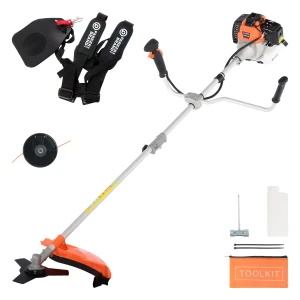
If you're considering trimming your hedges, it's wise to consider a few things, especially as we want to be mindful of our feathered friends. It's recommended to wait until after the primary nesting season, which spans from March to September, due to the high possibility of birds nesting during this period. However, as long as you ensure no active nests are harmed, you are legally allowed to trim vegetation throughout the year.
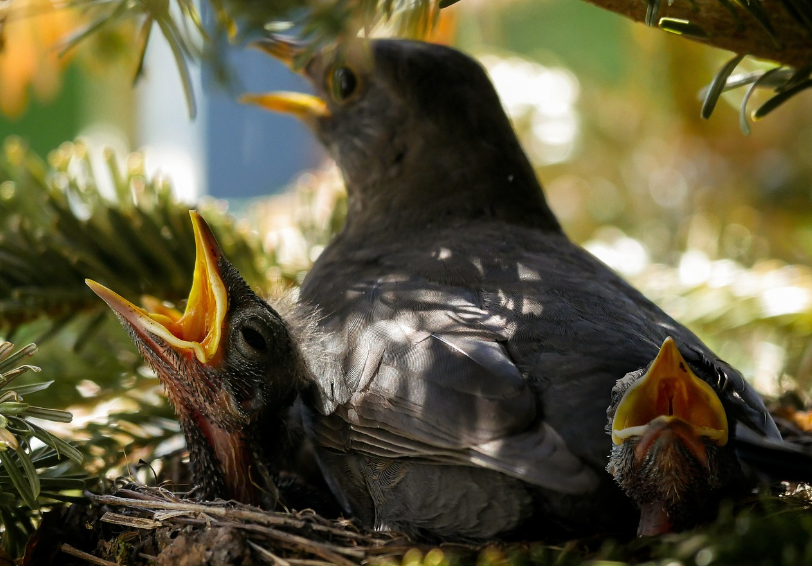
ParkerBrand advises spending a few days observing the area and looking for any signs of nesting activity in the vegetation. Birds tend to be quite busy during nesting, going back and forth from their nests. This behaviour is their way of taking care of their nesting duties. Your main clue is observing whether birds regularly enter and exit the vegetation. If they only leave in the morning and return at night, chances are they're just using the area to sleep (roost).
Before you start trimming, give the hedge or tree a very thorough visual check to ensure no active nests are visible. If you don't spot any, feel free to proceed with your trimming activities. Perhaps when you've trimmed up that hedge, you'll attract some nesting birds! You never know.
Bird Feeder: Bring the Birds to your garden (When the hedges are Done!)
In the Spring, the birds need extra easy-to-find food to help rear their young. Your thoughtful provisions will help them. With the hot summer weather, the ground can harden, making it a challenge for birds to find what they need - there are no juicy worms! Throwing bread out for the birds might be what we did when we were kids, but with the severe decline in bird populations, more considered feeding is ideally required. Much of these, such as fat balls, are cheap and readily available in pound stores and the like.
- Fruit: apples, pears and soft fruits.
- Suitable seeds and grains - like nyjer, millet, oats, and sunflower seeds.
- Peanuts - must be unsalted and fresh. Young chicks may choke on whole peanuts, so always put them in feeders with a smaller mesh.
- Raisins and sultanas.
- Net-free fat or suet balls. These attract a wide range of species and provide a significant boost of calories.
- Insects such as mealworms or waxworms.
Top tip: Ensure there is a bird bath or the like for drinking and washing; truly, the birds will flock in. Make sure that you put it in the open and NOT near bushes of cover where the local cats might be hiding; They eat millions of them every year!!!