An overgrown garden is cleared by working in a structured sequence that starts with safety and ends with full restoration. The process involves cutting back heavy vegetation first, removing brambles and woody growth, then reshaping hedges, clearing debris, and restoring soil and lawn areas using the correct machinery at each stage.
Step 1: Safety, Preparation and Site Assessment
Before using any machinery, an overgrown garden must be treated as a hazardous area due to hidden debris, uneven ground, sharp objects, and possible wildlife.
Wear protective clothing including gloves, safety glasses, long sleeves, and sturdy footwear, then carry out a careful walk-through to identify risks.
In the UK, consider bird nesting season (March to August) and avoid cutting where active nests are present.
Only begin machinery work once the site has been checked and made safe.
Step 2: How Do You Clear an Overgrown Garden Quickly?
The fastest way to clear an overgrown garden is to reduce everything to ground level first using high-powered cutting equipment.
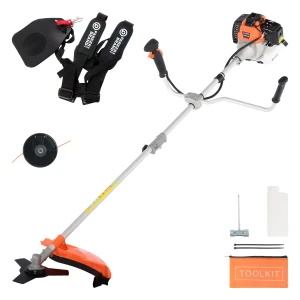
Long grass, weeds and light brambles should be cut down using a petrol brush cutter, which is designed for dense vegetation where domestic tools fail.
The 52cc Petrol Strimmer Brush Cutter is built specifically for heavy clearance work and can quickly reduce even waist-high growth.
For more versatile jobs or mixed trimming tasks, the 5-in-1 Garden Multi Tool allows switching between attachments for trimming, edging and general clearance.
The goal at this stage is simple: flatten the garden so you can clearly see the full layout.
Step 3: How Do You Cut Back Brambles and Thick Vegetation?
Once surface growth is removed, brambles, woody weeds and self-seeded saplings usually become visible.
A brush cutter fitted with a blade is the most effective tool for cutting through fibrous and woody material without clogging or slowing down.
Work in sections rather than attempting large areas at once. This improves control, reduces strain on the machine, and prevents regrowth from spreading too quickly.
Cut thick vegetation in sections rather than all at once to maintain control and reduce strain on the machine.
Step 4: How Do You Clear Overgrown Hedges?
Overgrown hedges often block light, reduce usable space, and make a garden feel enclosed.
A petrol hedge trimmer is the most efficient solution for this stage. The 26cc Petrol Hedge Trimmer is ideal for reducing and shaping hedges quickly and evenly.
For hedges containing debris or loose material, the Low Vibration Hedge Trimmer with Leaf Catcher helps reduce follow-up clearing work.
The objective at this stage is structure and control rather than detailed finishing.
Step 5: How Do You Remove Trees, Logs and Heavy Garden Waste?
Neglected gardens often contain fallen branches, deadwood, or small trees that must be removed before restoration continues.
The 45cc Petrol Chainsaw 16" is designed as an all-rounder for cutting through thicker branches, logs and heavy vegetation safely and efficiently. Why not check out the full ParkerBrand chainsaw buying guide?
Large logs and fallen trees can often be moved more safely using a manual hoist or winch.
Once removed, the garden immediately feels more open and usable.
Step 6: How Do You Fix Compacted Soil After Clearing a Garden?
After heavy clearance, the soil is usually compacted and lifeless. Restoring structure is essential before any lawn or planting work begins.
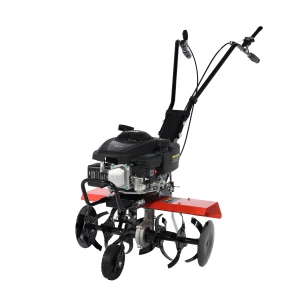
Rotavators and tillers break up compacted ground, improve drainage and allow oxygen back into the soil.
The 4 Stroke Tiller Rotavator is ideal for larger areas, while the 52cc Mini Tiller Rotavator offers greater control in tighter spaces.
This stage transforms a cleared garden into one that can actually be rebuilt.
Step 7: How Do You Restore a Dead or Overgrown Lawn?
Overgrown gardens often leave behind moss, thatch and dead grass that prevents healthy regrowth.
The Petrol Lawn Scarifier and Aerator removes build-up, improves drainage and prepares the surface for reseeding or recovery.
If reseeding a large area, a seed spreader can dramatically speed up the process and can also double as a salt spreader during winter.
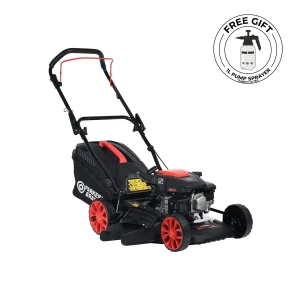
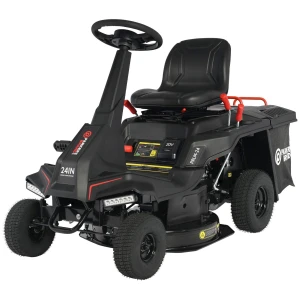
The 21 Inch Petrol Lawnmower is ideal for larger open areas, while the 17 Inch Self-Drive Petrol Lawnmower and 17 Inch Hand Push Petrol Lawnmower provide greater control for tighter or uneven spaces.
Scarifying and aerating before mowing gives neglected lawns the best chance of healthy regrowth.
Step 8: How Do You Finish and Maintain a Cleared Garden?
Once the main restoration work is complete, finishing touches make a significant difference.
A leaf blower quickly clears remaining debris from lawns, patios and pathways, leaving the garden looking fully restored rather than simply cut back.
For larger jobs, a backpack leaf blower may provide greater power and comfort over longer periods of use.
Regular mowing, hedge trimming and seasonal maintenance prevent the garden becoming overgrown again.
Quick Questions
What is the fastest way to clear an overgrown garden?
The fastest method is to cut everything down first using a petrol brush cutter, then progressively remove brambles, hedges, and larger vegetation before restoring soil and lawn areas.
What equipment do you need to clear a wild garden?
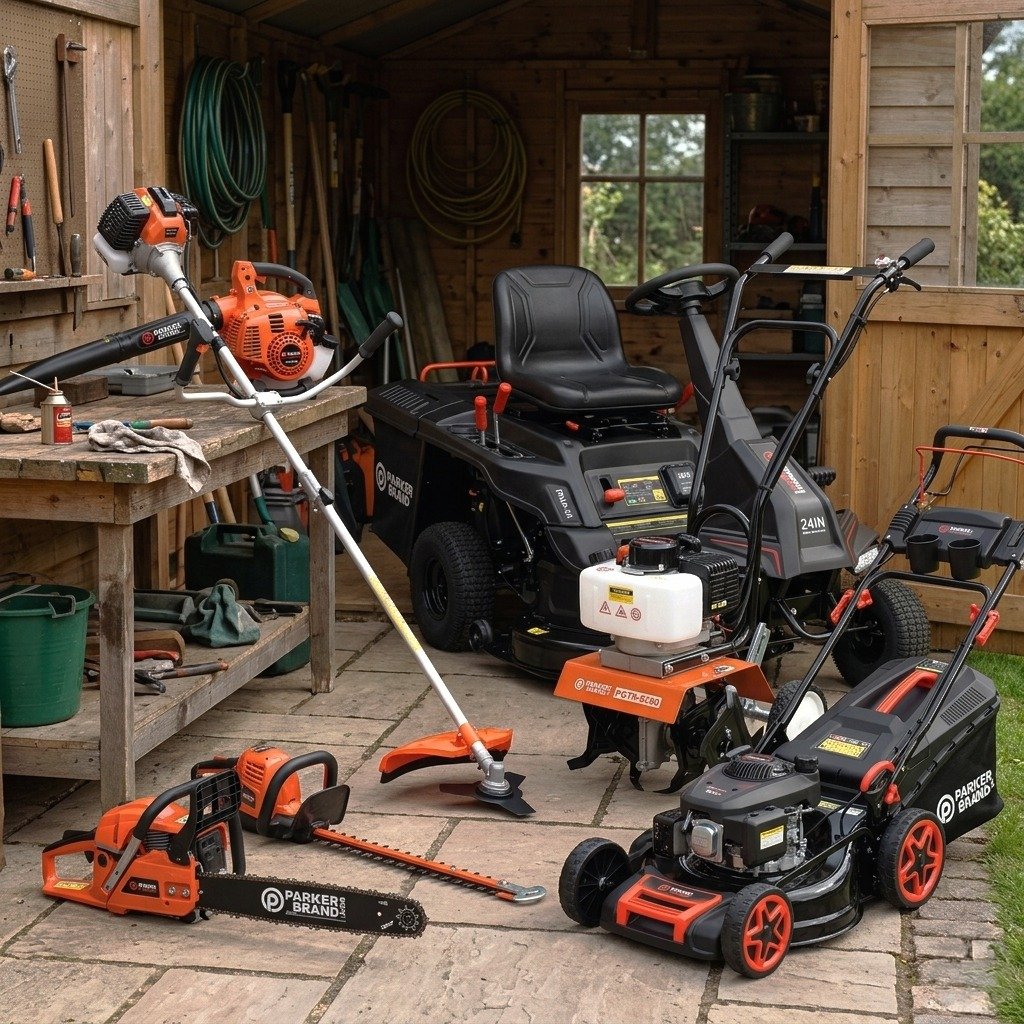
Typically you need a brush cutter, hedge trimmer, chainsaw, rotavator, lawn scarifier and lawn mower to fully restore an overgrown garden.
Can you mow an overgrown garden straight away?
No. Long grass must first be reduced using a brush cutter, otherwise a standard lawn mower will clog or become damaged.
How do you fix an overgrown lawn?
An overgrown lawn is restored by scarifying, aerating, mowing gradually and improving soil structure for regrowth.